/
CASE STUDIES
/
2021
/
SAP AG
How Codemine Delivered a Robust Ariba - SAP Supplier Integration Using SAP AIF

/
CLIENT
SAP AG
Visit site
/
SERVICES
SAP AIF
SAP ABAP OO
SAP S/4HANA
SAP CPI
/
OVERVIEW
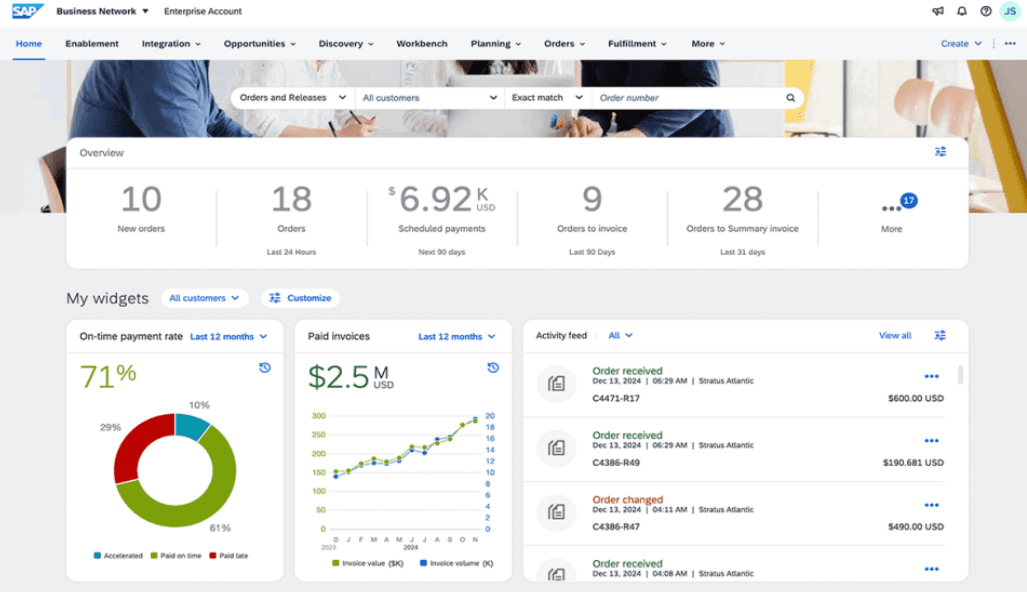
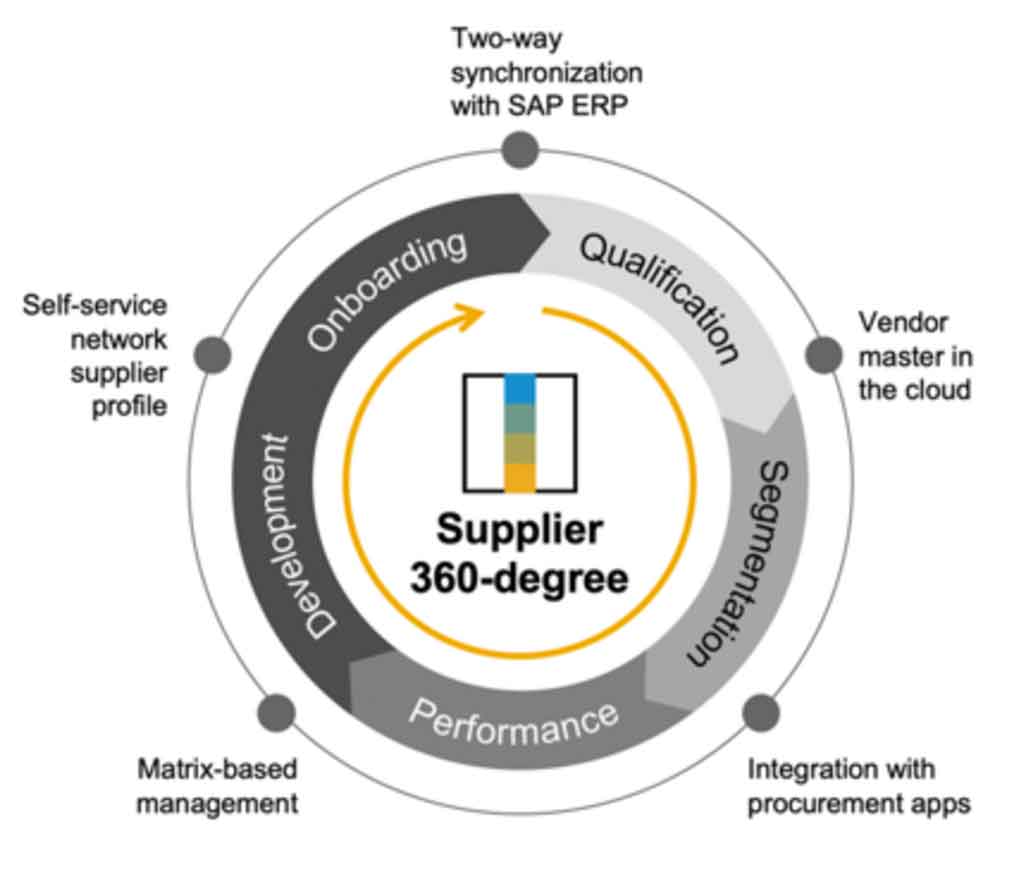
In global enterprise environments, supplier data enters the landscape through multiple channels, most commonly through SAP Ariba Network. While Ariba enables supplier self-service and external collaboration, internal SAP systems such as SAP MDG / CRM remain the backbone for operational, legal, and financial processes.
At SAP, the supplier registration process required a solution that would:
Reliably synchronize supplier data from Ariba into internal MDG/CRM system
Enforce strict data quality and compliance rules
Handle tax, VAT, address, and status data across regions
Provide transparency and operational control for business teams
This was not just a technical integration problem - it was an operational risk management challenge.
/
CHALLENGES
SAP faced a multi-dimensional challenge in supplier registration and synchronization:
Supplier data was created externally in Ariba and consumed internally by SAP MDG and downstream systemsl like SAP CRM or S4/HANA, where even minor inconsistencies could disrupt procurement, invoicing, and compliance.
Onboarding suppliers required complex validation, including country-specific address rules, regional tax and VAT checks, and handling special supplier states such as expired or restricted records.
Classic point-to-point integrations offered little transparency for business users. It was often unclear why a supplier failed processing, who owned the issue, or how quickly compliance-critical problems needed to be resolved.
Without structured error handling and alerting, supplier issues could remain unnoticed, leading to blocked processes, manual rework, and increased audit risk - ultimately reinforcing a simple truth: no supplier, no invoice.
How to ensure that Supplier data are succesfully processed?
/
SOLUTIONS
Codemine designed and delivered a custom SAP AIF framework, transforming AIF into a central integration governance and business control layer.
Instead of hard-coding logic in ABAP, validation, mapping, error classification, and monitoring were centralized in SAP AIF. All supplier messages flow through AIF, making every decision traceable, auditable, and business-readable.
Structured AIF sub processes handle mandatory master data checks, country-specific address validation, tax and VAT plausibility, and controlled handling of expired or deleted suppliers. Errors are exposed as business-level AIF messages, enabling fast resolution without technical debugging.
Tax and VAT governance was implemented using AIF controlled value mapping, country dependent fallback logic, and a clear separation between external Ariba data and internal CRM semantics - ensuring compliance and flexibility as regulations evolve.
The framework also orchestrates reliable Business Partner and contact synchronization, prevents duplicates, and safely recovers from partial failures, with each message processed independently for scalability.
Standard AIF alerting was enhanced with business-oriented categories, region-based ownership, fallback recipients, and clear HTML notifications.
/
RESULTS
By implementing Codemine’s custom SAP AIF framework, SAP achieved measurable improvements across integration stability, data quality, and business transparency.
Supplier data from SAP Ariba is now processed through a controlled and fault-tolerant flow, with each message handled independently. Errors are visible and traceable, eliminating mass failures and hidden technical issues.
Built-in AIF validations significantly improved master data quality, reducing incorrect tax, address, and mandatory field errors and minimizing downstream issues in procurement and finance.
Business teams gained clear ownership of supplier issues through business-readable AIF messages and targeted alerts, enabling faster resolution without IT dependency.
Tax and VAT handling became fully traceable and auditable across countries and scenarios, strengthening compliance and audit readiness.
The solution was designed as a reusable integration blueprint, enabling faster rollout of future integrations with lower maintenance effort.
1.
Stable & Predictable Supplier Integration
2.
Significantly Improved Data Quality
3.
Business Ownership Instead of IT Dependency
/
CASE STUDIES